
There is a lot of excitement around Tanzania’s creator economy, and rightly so. We have talent, creativity, personalities and an increasingly connected audience. But after years of working with creators, managing talent and sitting across the table from brands, I’ve come to appreciate that having a thriving creator scene and having a thriving creator industry are two very different things.
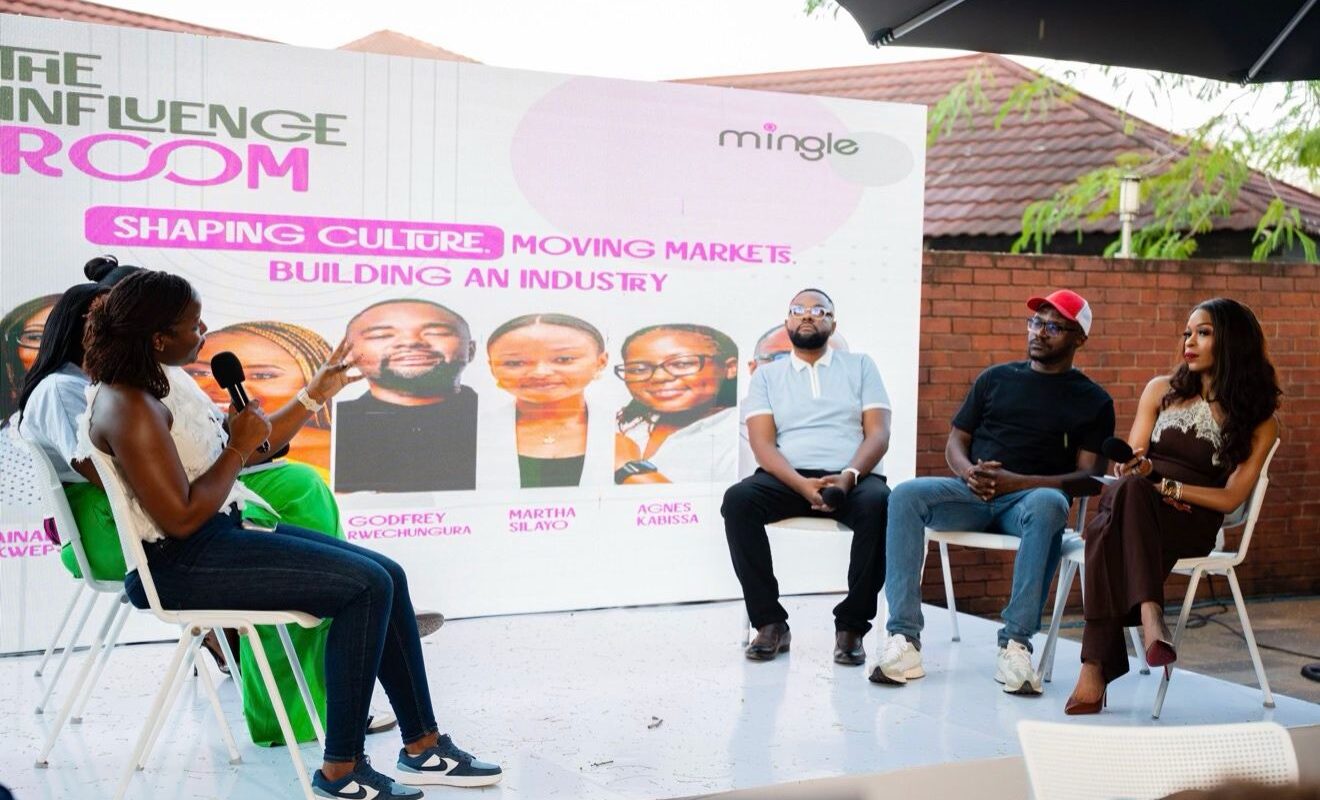
This was one of the conversations I was glad to be part of at Mingle’s inaugural The Influence Room, during The Influence Dialogue in Dar es Salaam.
One thing I believe we need to start addressing honestly is the gap between visibility and sustainability.
For many creators, the journey is still largely transactional. Secure a brand deal, create content, publish, get paid and wait for the next opportunity. There is very little predictability in that cycle. Income is inconsistent, negotiations can be difficult, payment structures are not always favourable, and many creators are still learning how to price their work, protect their intellectual property and manage their careers as actual businesses.
And then there is the pressure to remain relevant. The algorithms change, audience interests shift, and the expectation to constantly produce fresh content can quickly turn something creators love into an exhausting full-time job.
But I also think creators need to take some responsibility for how the industry evolves. Talent and popularity are important, but they are not enough. Professionalism, consistency, understanding your audience, knowing your numbers and treating brand partnerships as business relationships are equally important.
From the management side, I see another challenge: brands and creators do not always speak the same language.
A brand may be looking for sales, awareness or a change in consumer perception, while a creator is focused on delivering content that resonates with their audience. Both objectives are valid, but somebody has to bridge that gap. That is where good management, strategy and campaign coordination become important.
We also need to move beyond the obsession with follower counts. A creator’s value cannot be reduced to how many people follow them. Audience trust, cultural relevance, storytelling ability and the capacity to influence decisions are far more meaningful considerations. The industry is increasingly recognising that influence is about outcomes, not just visibility.
I believe the next phase of Tanzania’s creator economy will depend on how well we build the structures around the talent. We need better commercial relationships, transparent contracts, fair compensation, stronger measurement, financial literacy and more long-term partnerships. We also need brands to see creators as strategic partners rather than simply another media placement.
Most importantly, we need to recognise that this industry is bigger than the people appearing on camera. It supports producers, editors, photographers, managers, strategists, agencies and many other professionals whose work makes the entire ecosystem possible.
I appreciated Mingle for creating a space where these conversations could happen, bringing together different sides of the industry. The opportunity now is to move beyond conversations and start building.
Tanzania does not have a shortage of creative talent. What we need is an ecosystem capable of turning that talent into sustainable businesses, meaningful careers and real economic value.
That is the industry I would like to see us build.